
Current challenges impacting road network
Since January 1st, Aberdeenshire has experienced some of the most challenging winter weather conditions seen in recent years.
The start of 2026 brought nearly two weeks of severe snow across the whole of Aberdeenshire, with depths of up to 52cm recorded even in low-lying areas.
This was followed by what has now been confirmed as the wettest January in over a decade, with large parts of Aberdeenshire experiencing twice their normal rainfall levels. The River Don reached its highest level in 45 years, and many areas saw prolonged periods of saturated ground conditions.
These extreme weather patterns have placed unprecedented stress on Aberdeenshire’s road network. The combination of heavy snow, repeated freeze–thaw cycles and sustained rainfall has caused rapid deterioration of road surfaces, including the formation of new potholes, edge failures, surface cracking and instances of flooding. The speed at which these defects are emerging now far exceeds our normal capacity to repair them, even with our teams operating at full stretch.
We can’t stress enough that we really do appreciate the public’s patience during this exceptionally difficult period and please rest assured our teams will continue to respond to the most hazardous defects and areas of flooding as a priority. We remain committed to carrying out permanent repairs as soon as ground and weather conditions allow and, in the meantime, please continue to take extra care on the roads and report any issues you encounter - your information helps us keep the network as safe as possible.
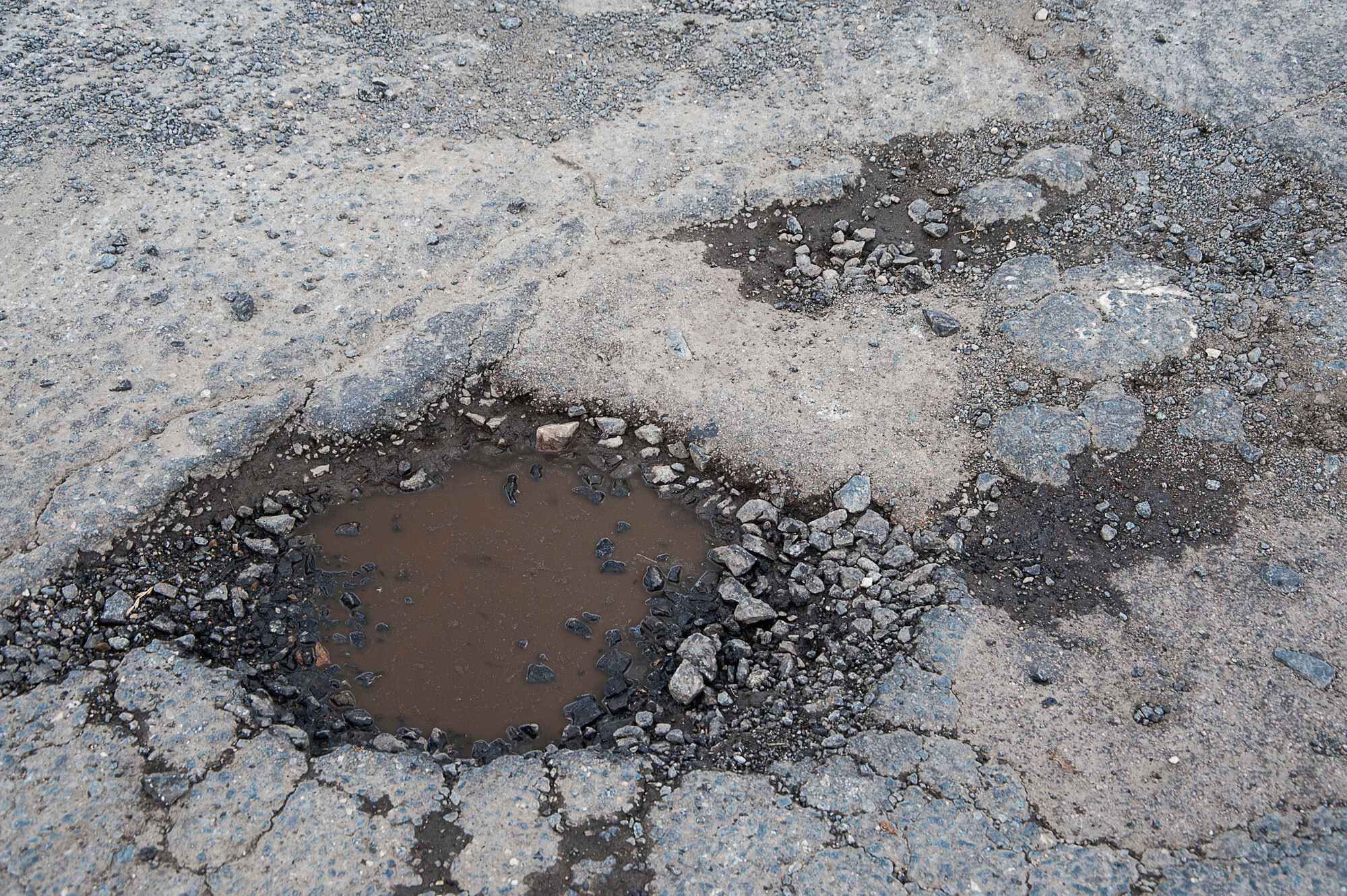
With the ground saturated, we are frequently unable to undertake durable repairs immediately
Under typical winter conditions, our Roads Service would focus on permanent first‑time repairs wherever possible. However, the current waterlogged state of the road construction layers means many defects are holding significant moisture. Permanent repairs require dry and stable conditions to ensure the longevity and structural integrity of the reinstatement.
With the ground saturated, we are frequently unable to undertake durable repairs immediately. As a result, we’re often having to use temporary “plug” repairs - swift interventions designed to keep roads safe and serviceable in the short term.
While these repairs play a vital safety role, they are not expected to perform to the same standard in the medium term, particularly given the ongoing cycles of wet and freezing weather. This means that further deterioration is likely until we can return in more favourable conditions to complete full, lasting repairs.
In addition to the accelerated deterioration of road surfaces caused by prolonged snow, freezing conditions, and exceptional rainfall, our teams are also dealing with significant and widespread flooding issues across the network. The persistent wet weather since early January has not only saturated road foundations but also overwhelmed local watercourses, roadside ditches, and field drainage systems.
A major challenge has been overland flow from adjacent farmland, where fields - already fully saturated - are shedding water directly onto road surfaces. This flow often carries mud, silt and agricultural debris, depositing it across the carriageway and rapidly block gullies and culverts and no amount of drainage clearing in advance of these floods can prevent this occurring.
Roadside ditches, many already running at high capacity following the exceptional rainfall, have also struggled to cope with the additional inflow and we are seeing frequent overtopping where water spills onto the road.
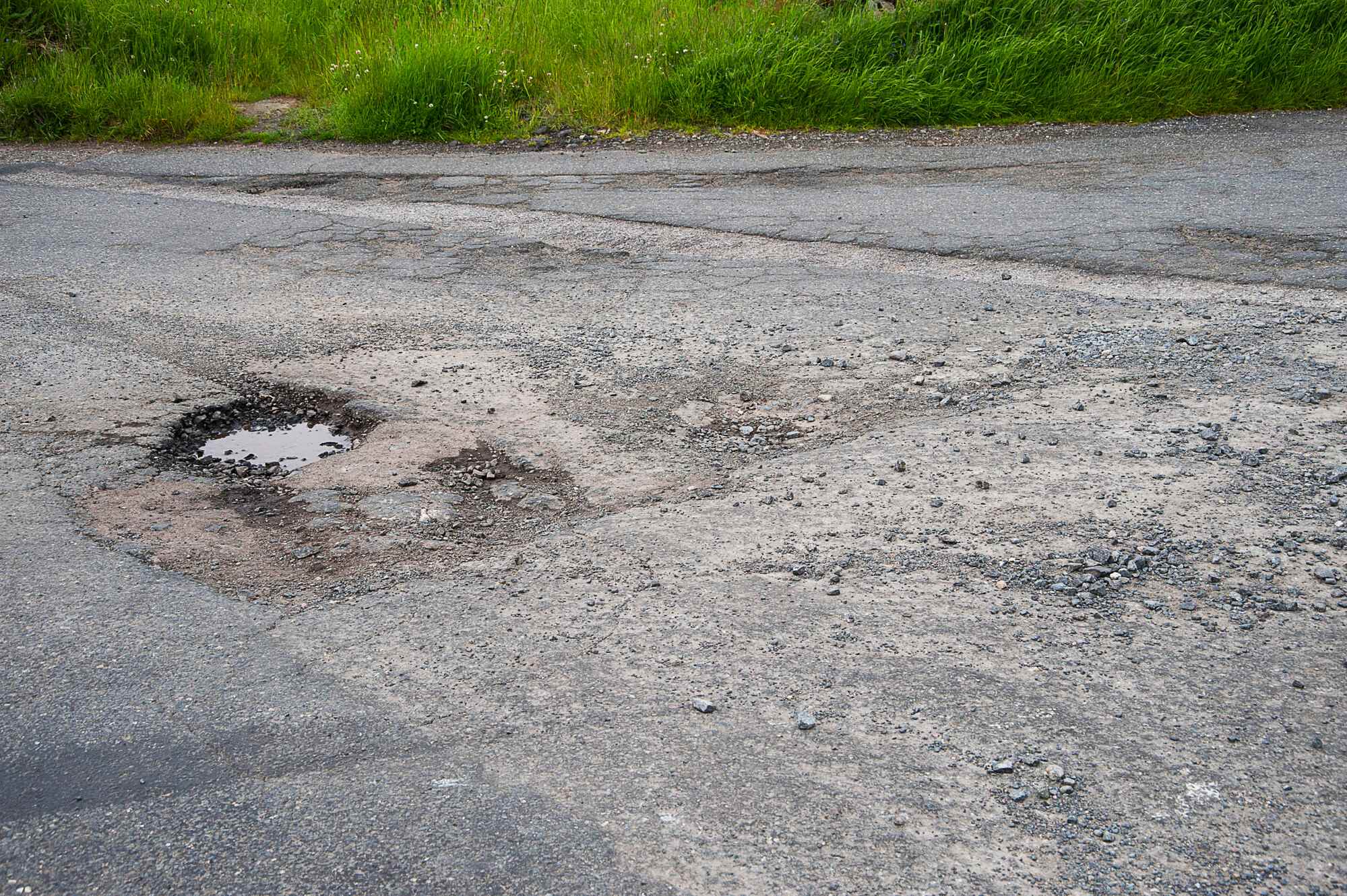
Permanent repairs require dry and stable conditions to ensure the longevity and structural integrity of the reinstatement
Flooding is particularly problematic during freezing spells, with water which cannot drain away refreezing overnight, forming black ice and contributing to rutting or cracking of the surface. This combination of flooding and freeze-thaw action significantly increases the likelihood of potholes and deeper structural failures.
Our teams are working constantly to clear drainage channels and remove sediment to restore the flow paths essential to keeping water away from the carriageway. However, the volume of water and speed at which blockages re‑form means that some locations deteriorate rapidly, especially during storms or periods of sustained runoff. Freshly-cleared gullies can become blocked again within hours during peak flows.
We are also engaging with landowners to address field to road run-off where possible, in line with national responsibilities and good practice. Nonetheless, the exceptional rainfall means that widespread overland flow is unavoidable until ground conditions improve.
The flooding pressures we are currently experiencing underline the critical importance of drainage management within our Roads Asset Management Plan, which recognises that functioning drainage is central to preserving road condition and ensuring long‑term resilience. This aligns with the principles of National Best Practice and Well‑Managed Highway Infrastructure, both of which emphasise proactive drainage maintenance and risk‑based planning.
We fully recognise the impact this has on all road users - the combination of emerging defects, standing water, deeper flooded sections and reduced visibility during unsettled weather means that driving conditions are currently extremely challenging.
We would ask people remain vigilant and strongly encourage them to drive with heightened caution - adjust speeds appropriately, increase stopping distances and remain alert to changing conditions.
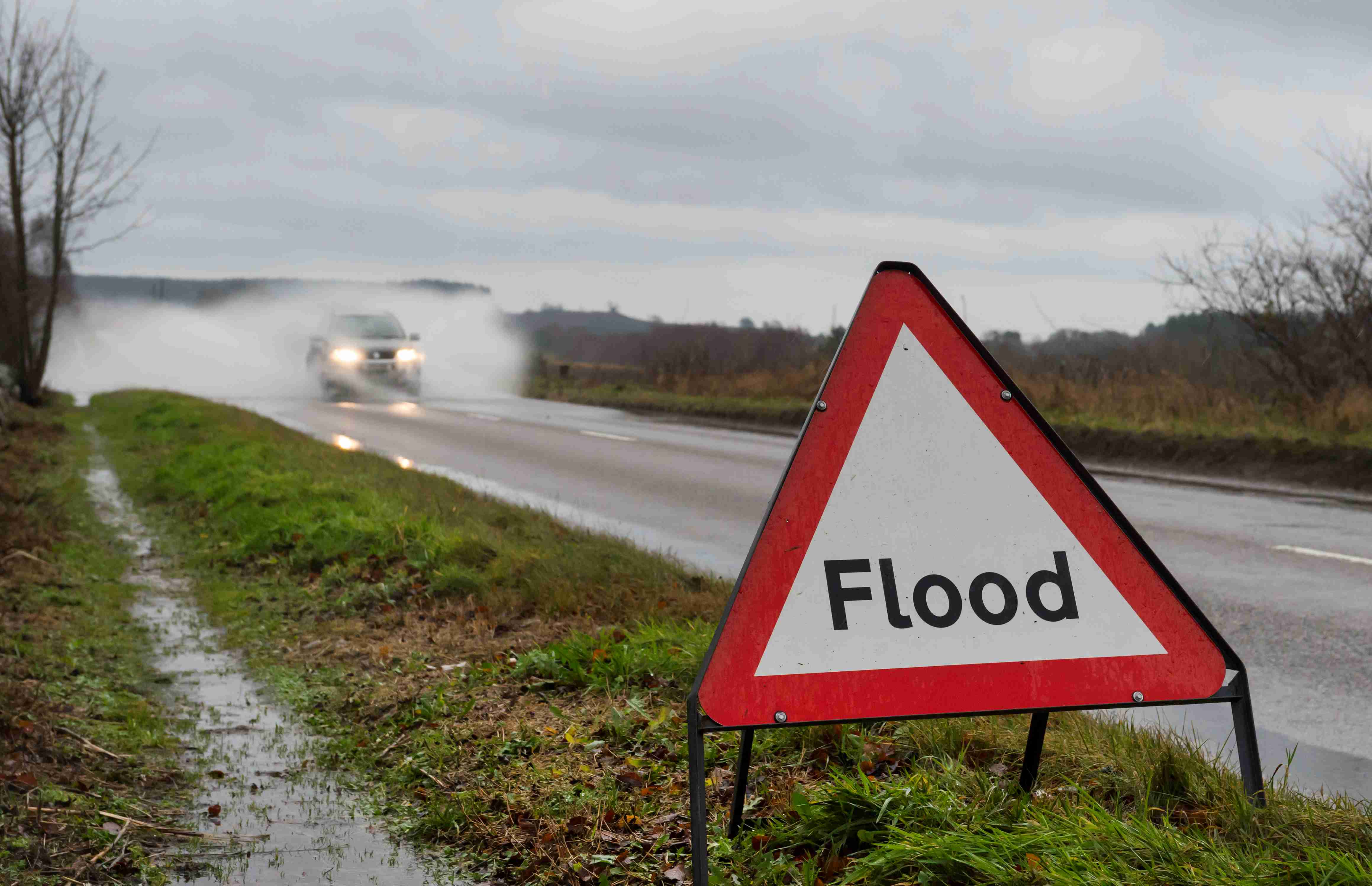
Flooding is particularly problematic during freezing spells, with water which cannot drain away refreezing overnight
Flooded areas, standing water and mud‑contaminated surfaces can appear suddenly and may be deeper or more unstable than they look. Drivers should slow down, maintain greater stopping distances and approach known trouble spots such as dips, bends and routes lower than adjacent farmland with particular caution.
Our approach to managing and maintaining Aberdeenshire’s extensive road network continues to be guided by our Roads Asset Management Plan, which sets out our long‑term, risk‑based methodology for prioritising investment and ensuring that resources deliver the greatest possible benefit. This plan aligns with national best practice, including the SCOTS Roads Asset Management framework and the Well‑Managed Highway Infrastructure (UKRLG) Code of Practice, which emphasise evidence‑led decision‑making and targeted interventions.
Finally, we ask road users to support our teams by reporting defects, flooding and drainage issues as soon as they are noticed via https://fix.aberdeenshire.gov.uk
Timely reports from the public help us identify emerging hazards quickly, prioritise the most critical locations and deploy resources where they are needed most. Every report contributes to keeping Aberdeenshire’s road network as safe as possible during these exceptionally challenging conditions.