Christopher Nolan’s The Odyssey brings Hollywood magic to Moray and Aberdeenshire this summer
Cinema audiences around the world are set to experience the spectacular landscapes of Moray and Aberdeenshire on the big screen this summer as Christopher Nolan's highly anticipated film The Odyssey arrived in cinemas on July 17.
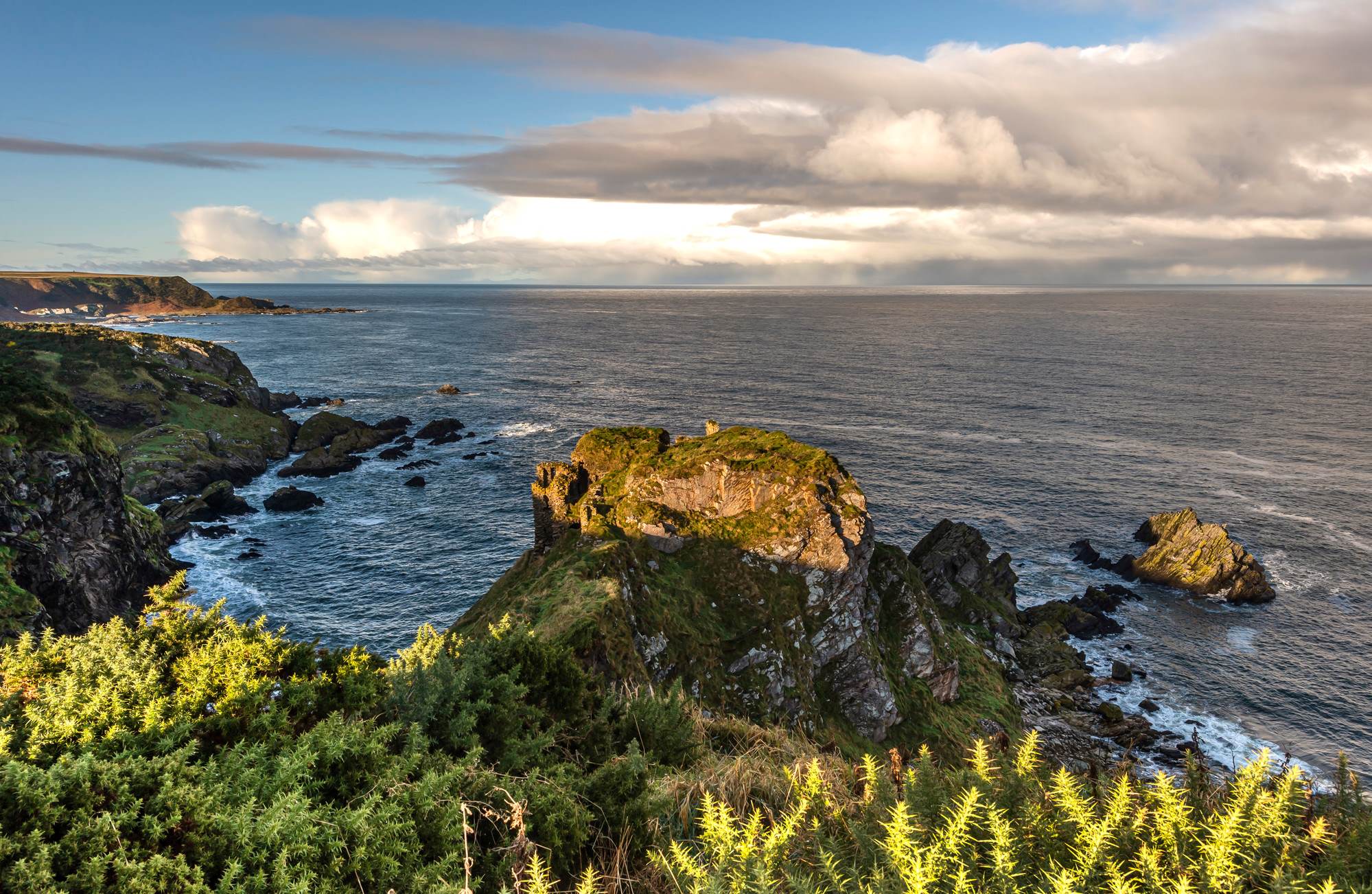
Drawing inspiration from Homer’s epic tale of adventure, discovery and survival, the film showcases some of the most dramatic coastal scenery in Scotland, with north-east locations standing in for the ancient world of Greece.
Filmed in stunning locations including Findlater Castle and Sunnyside Beach in Aberdeenshire, and Culbin Forest and Culbin Sands in Moray, the production has placed the region firmly in the international spotlight.
The rugged coastlines, sweeping beaches, ancient landscapes and rich heritage that attracted one of the world's most acclaimed filmmakers are now expected to attract visitors eager to explore the real-life locations behind the blockbuster.
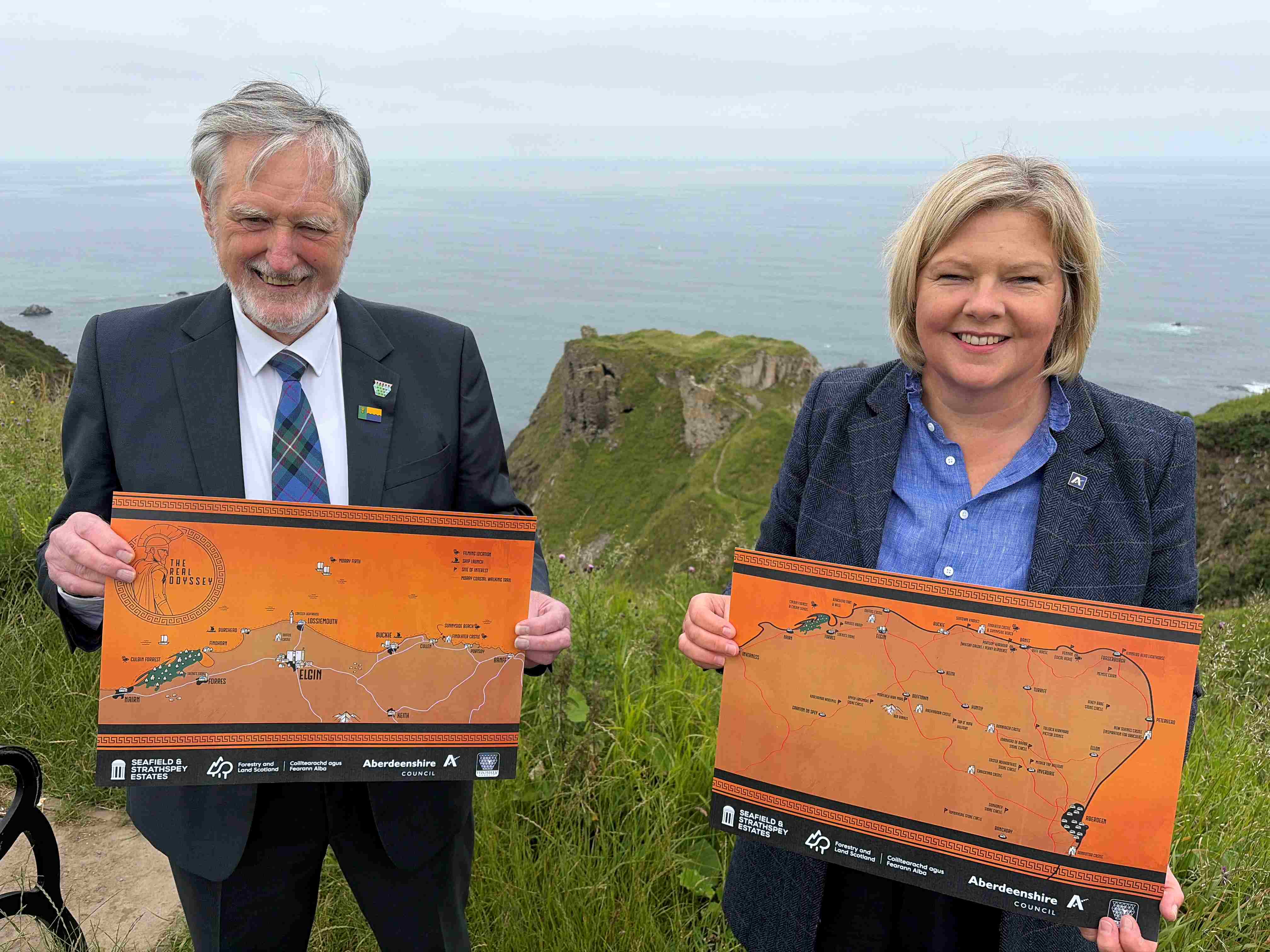
Cllr John Cowe and Cllr Judy Whyte at Findlater Castle with maps of the various filming location along the Moray Coast
Matt Damon and the star-studded cast may have travelled to north-east Scotland to bring the legendary voyage of Odysseus to life, but visitors will discover that the area has its own remarkable stories to tell.
From dramatic medieval castles perched above crashing waves to landscapes shaped by thousands of years of human history, Moray and Aberdeenshire offer unforgettable experiences for film fans, history enthusiasts and outdoor adventurers alike.
At the heart of the film's Scottish locations is Findlater Castle, one of the region's most striking historic landmarks. Set dramatically atop sea cliffs overlooking the Moray Firth, the ruined fortress provided a breathtaking backdrop for scenes depicting the mythical island of Aeaea, home of the goddess Circe.
Nearby Sunnyside Beach, with its vast golden sands and rugged shoreline, also featured prominently in the production, showcasing the wild beauty of Aberdeenshire's coast.
Just across the Moray coastline, Culbin Forest and Culbin Sands provided another dramatic setting for the epic adaptation. The remarkable landscape of forest, dunes and beach was used for scenes depicting Odysseus and his crew arriving ashore before venturing inland.
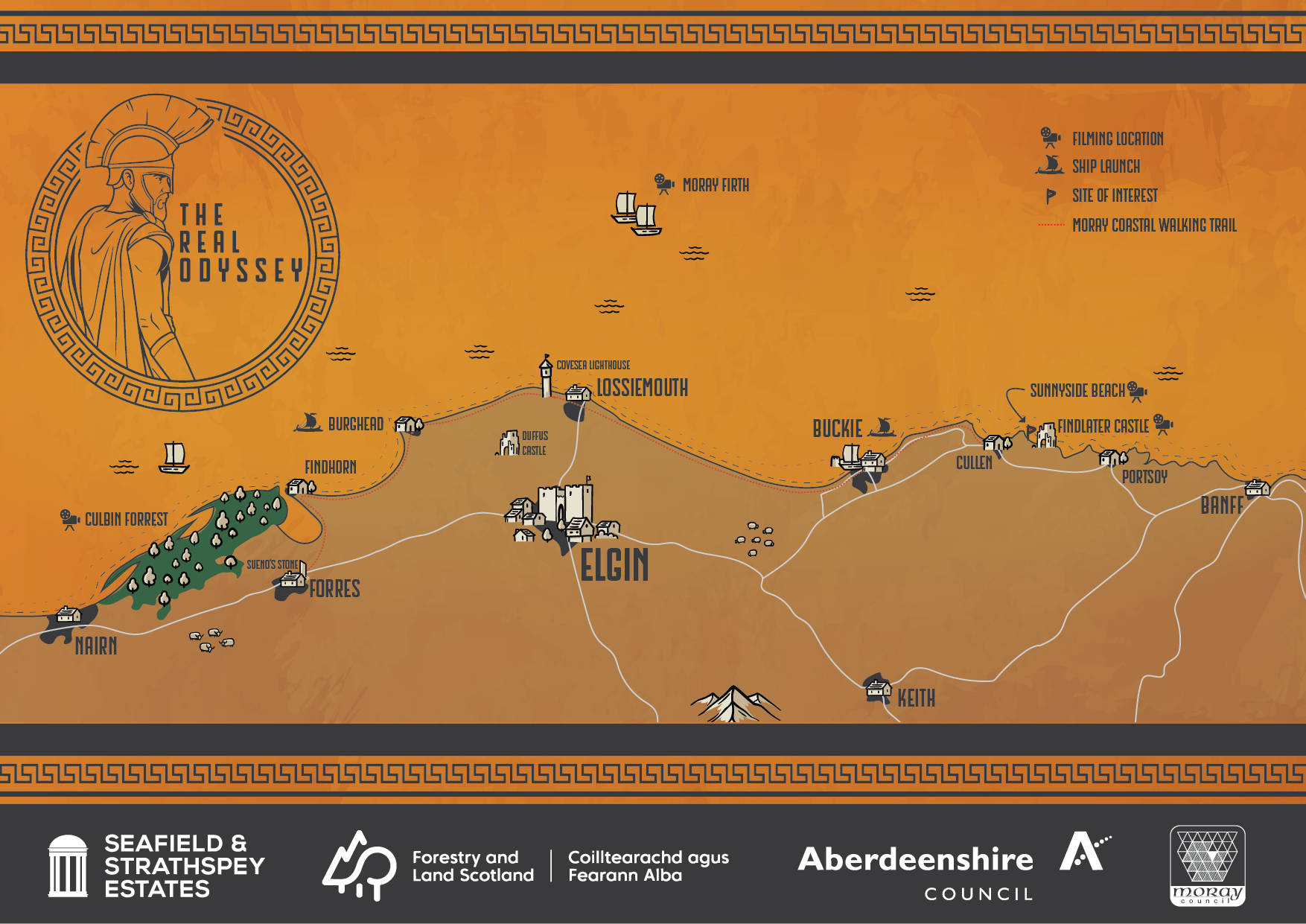
Rich in history, Culbin is famed for its lost settlements, shifting sands and stories stretching from prehistory to the Second World War.
The release of The Odyssey presents a unique opportunity for visitors to discover a wealth of heritage attractions across both local authority areas.
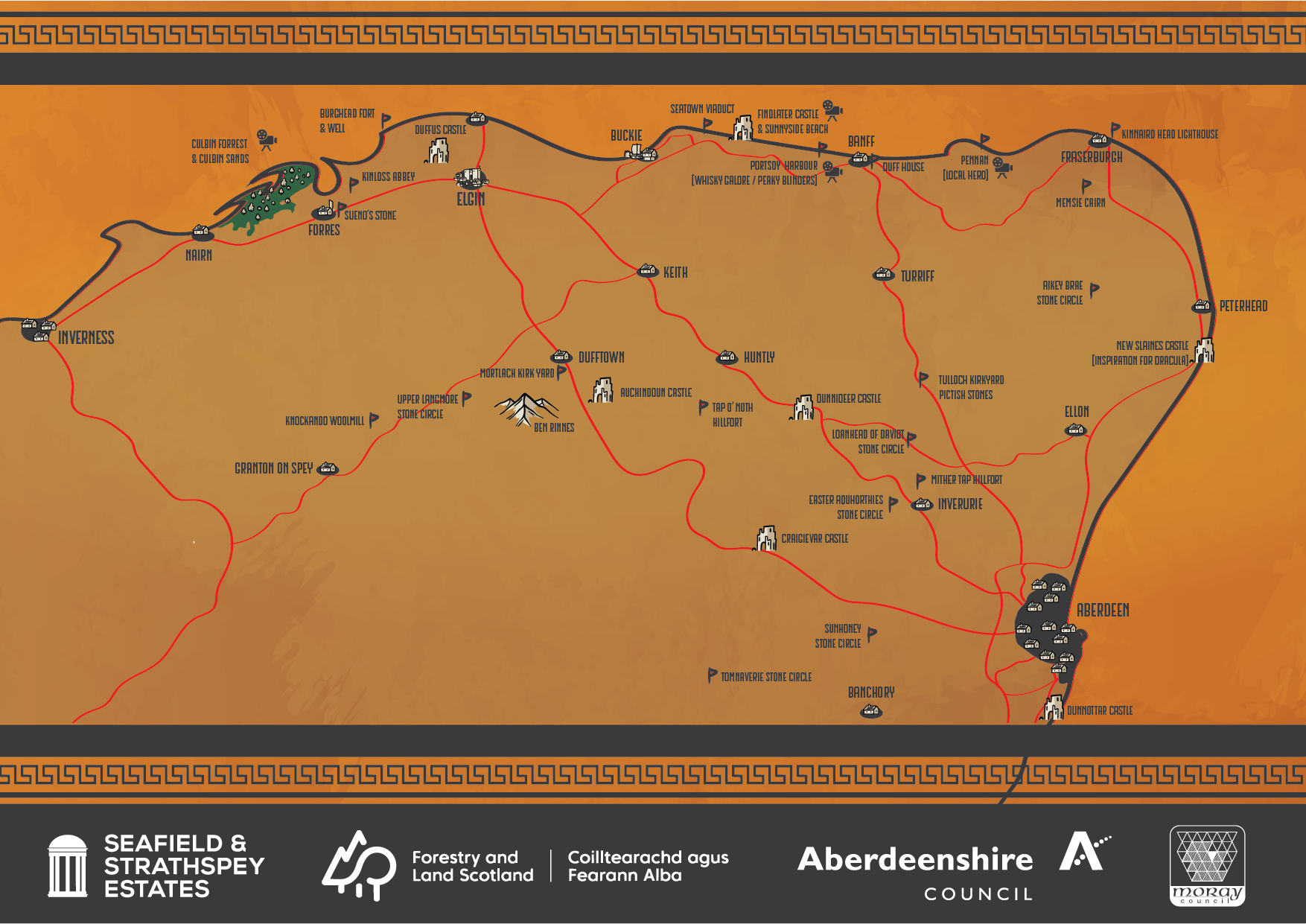
In Aberdeenshire, visitors can continue their cinematic journey at Portsoy Harbour, previously featured in Peaky Blinders and Whisky Galore!, explore the legendary ruins of Slains Castle, said to have inspired Bram Stoker's Dracula, or visit the world-famous Dunnottar Castle, which has appeared in productions including Hamlet and Mary Queen of Scots.
The region also offers fascinating connections to the Bronze Age period in which The Odyssey is believed to be set. Historic sites such as Tomnaverie Stone Circle, Easter Aquhorthies Stone Circle, Memsie Cairn and numerous ancient monuments across the north-east provide a tangible link to a world not unlike that inhabited by the heroes of Homer’s epic tale.
Meanwhile, Moray's rich archaeological and cultural heritage includes iconic attractions such as Elgin Cathedral, Spynie Palace, Sueno's Stone, Burghead Fort, Duffus Castle and the beautiful coastal communities of Cullen, Lossiemouth and Findhorn.
Visitors can also enjoy museums, heritage centres, wildlife experiences and walking routes that reveal the stories behind these remarkable landscapes.
To celebrate the film's release, a range of activities are planned across the region, including guided walks, creative competitions and library displays, special screenings and opportunities for residents and visitors to explore the landscapes that captured the imagination of one of Hollywood's most visionary directors.
Provost of Aberdeenshire, Cllr Judy Whyte said: “The release of The Odyssey marks a truly proud moment for Aberdeenshire and the wider north-east of Scotland. Audiences across the world will now experience the breathtaking beauty of our coastline, with the dramatic cliffs, seascapes and iconic ruins of Findlater Castle taking centre stage in one of the most anticipated cinematic events of recent years.
“When a production of this scale comes to our region, the benefits extend far beyond the silver screen. During filming, local hotels, restaurants, shops, transport providers and a wide range of businesses all see a significant economic boost from the hundreds of cast, crew and support staff who spend time in our communities. Productions such as The Odyssey demonstrate why attracting film and television projects is so important for the prosperity of our towns and villages.
“The longer-term impact can be even greater. Around the world, film tourism has proven time and again that audiences are inspired to visit the locations they have seen on screen. As cinema-goers follow in the footsteps of Odysseus and discover the stunning landscapes featured in The Odyssey, we expect many visitors to extend their journeys across Banffshire, Moray and the wider north-east, exploring remarkable attractions such as Banff Castle, Duff House, Dunnottar Castle and many of the other heritage sites which make this region so special.”
Civic Leader of Moray Council, Cllr John Cowe, said: “We’re absolutely delighted to see Moray featuring in what is undoubtedly one of the most anticipated film releases of the year. Christopher Nolan's The Odyssey will introduce millions of cinema-goers around the world to the spectacular landscapes that make Moray such a special place. The stunning setting of Culbin Forest and Culbin Sands provided the perfect backdrop for this epic story, and we are proud that our coastline helped bring one of literature's greatest adventures to life on the big screen.
“Moray and the North East’s appeal goes far beyond its cinematic credentials. Visitors inspired by the film can discover miles of beautiful coastline, fascinating heritage sites, welcoming communities and an extraordinary history stretching back thousands of years. From the ancient story of the lost settlement at Culbin to iconic landmarks such as Elgin Cathedral, Spynie Palace and Burghead Fort, there is a wealth of experiences waiting to be explored.
“We hope that audiences who fall in love with the landscapes they see on screen will be inspired to visit North East Scotland for themselves, experience our world-class natural environment and heritage, and enjoy the warm welcome that awaits them here. The Odyssey may tell the story of an epic journey home, but we believe Moray and Aberdeenshire is a destination that visitors will want to return to time and time again.”
North-east Scotland has a growing reputation as a film-friendly destination, capable of standing in for locations from across the globe while offering world-class scenery, heritage and professional support for productions.
The success of The Odyssey demonstrates the continuing appeal of Moray and Aberdeenshire as destinations not only for filmmakers, but also for visitors seeking extraordinary experiences, compelling history and spectacular natural beauty.
As the summer's biggest cinematic adventure arrives on screens worldwide, the real journey begins here - among the castles, coastlines, forests and ancient landscapes that helped bring Christopher Nolan's vision of The Odyssey to life.