
Roads surface dressing programme begins
Aberdeenshire Council has begun its 2026 programme of surface dressing works across the north‑east, as part of ongoing efforts to maintain and extend the life of the region’s road network.
Road users are being advised to take extra care on roads once treatment is carried out, where loose chippings may be present for a short period.
Surface dressing is a proven and cost‑effective maintenance technique used to seal the road surface, improve skid resistance and protect against deterioration caused by water ingress.
The process involves applying a layer of bitumen followed by stone chippings, which bond with the existing carriageway surface.
During and immediately after surface dressing, there is a temporary increased risk associated with loose chippings, particularly if vehicles travel at excessive speed.
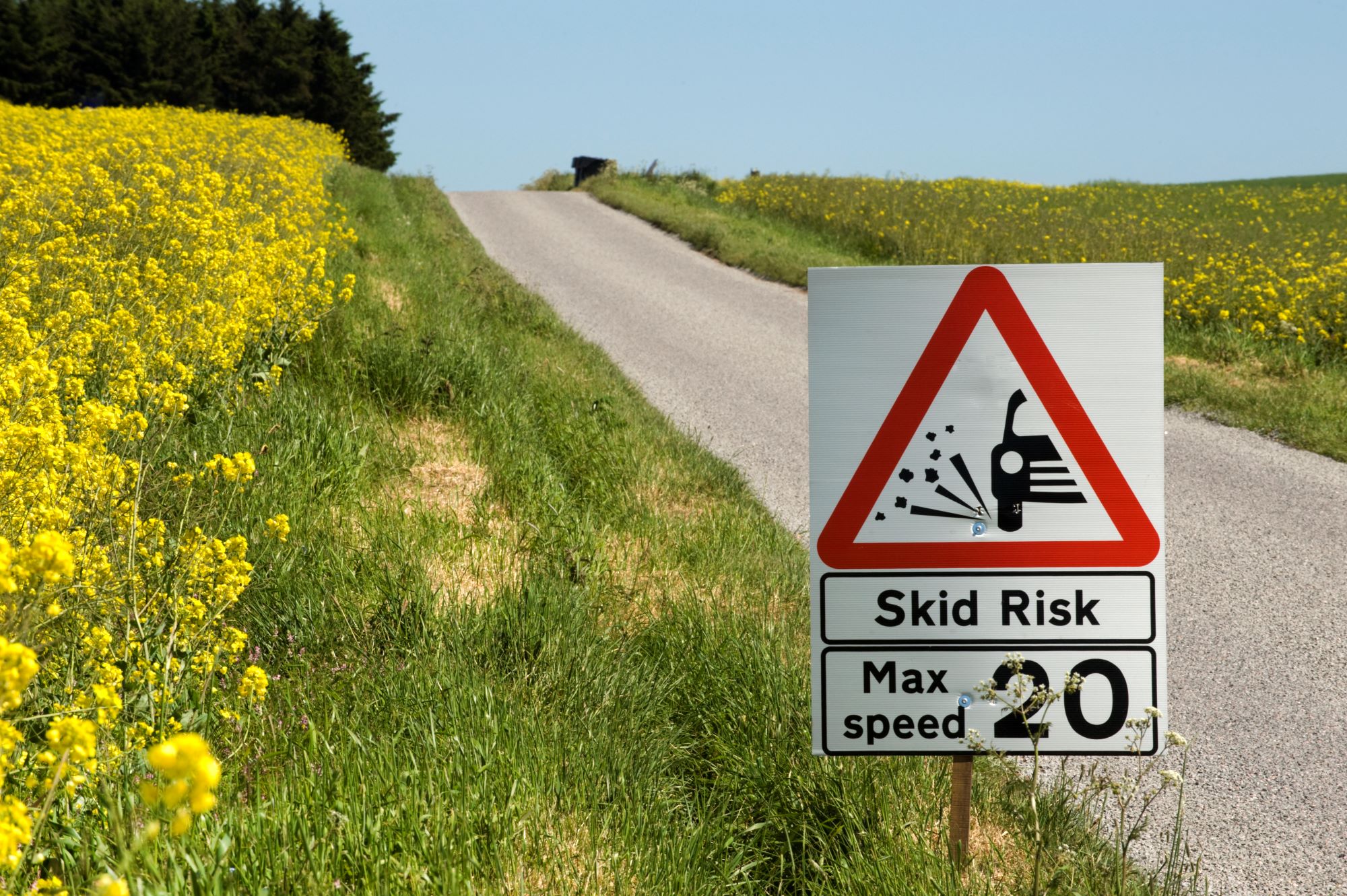
Surface dressing is a tried and tested treatment which helps reduce the need for more extensive and disruptive repairs in the future
To ensure full coverage and avoid bare patches, more chippings are applied than are required for the finished surface. Although treated roads are mechanically swept several times following the works, it can take several days for chippings to fully embed into the bitumen.
Slow‑moving traffic helps this process. Driving above the signed speed limit, however, can displace chippings and increase the risk of skidding or damage to vehicles.
Warning signs will be erected in advance of works commencing and will remain in place until the surface has fully cured. Temporary speed restrictions are mandatory and in place for the safety of all road users. While a treated road may appear clear, loose chippings may still be present, and road users are urged to continue following all signage until it has been removed.
Aberdeenshire Council thanks residents and road users for their patience and cooperation while these essential maintenance works are carried out.
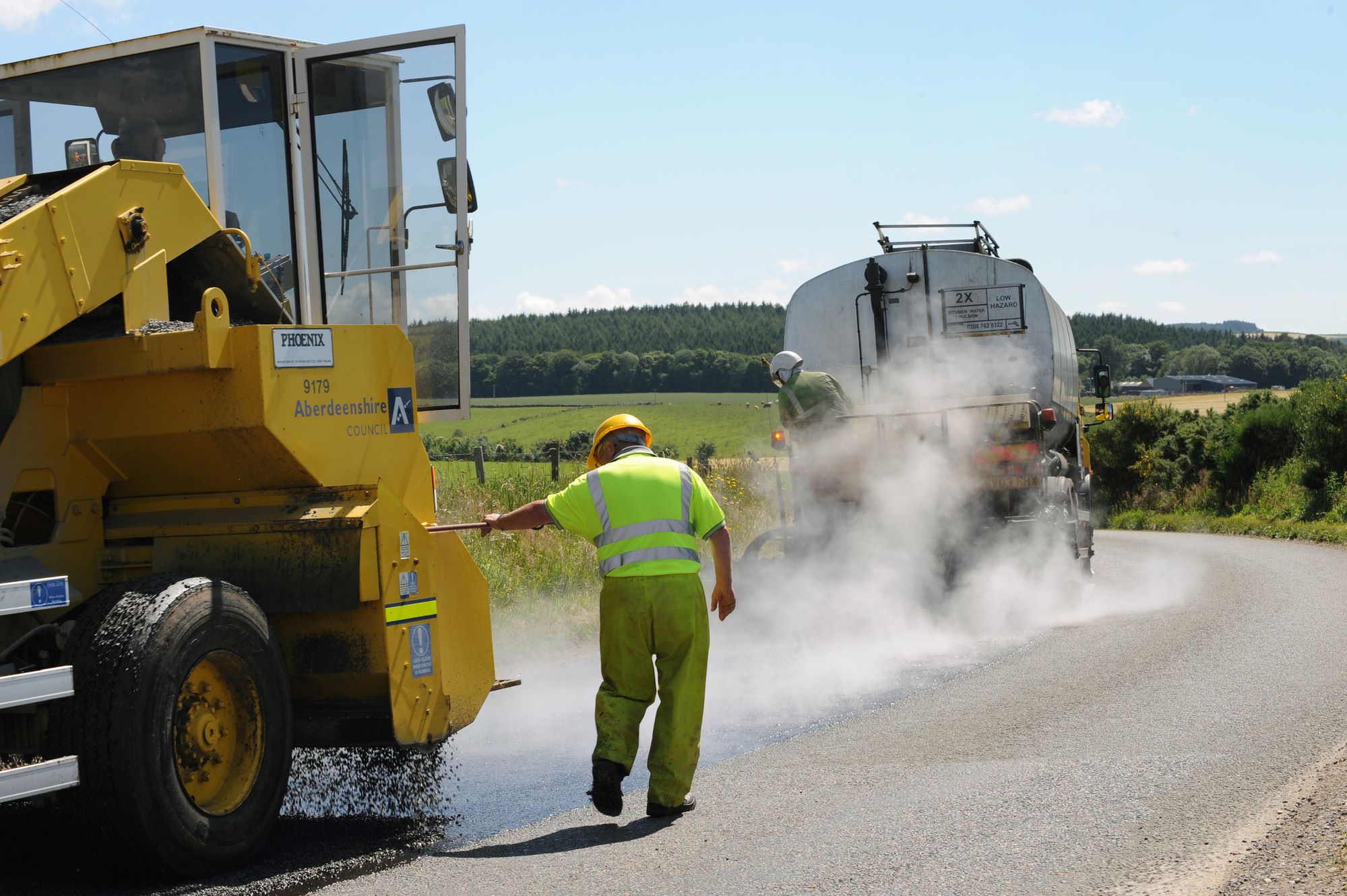
To ensure full coverage and avoid bare patches, more chippings are applied than are required for the finished surface
Philip McKay, Head of Roads and Infrastructure at Aberdeenshire Council, said: “Surface dressing remains the most cost‑effective way of improving and protecting roads across our 3,500‑mile network. These works are weather‑dependent and are programmed to take place when conditions are most suitable.
“We recognise that surface dressing can cause short‑term inconvenience through reduced speeds, traffic management or temporary closures. However, by extending the life of the road surface, this treatment helps reduce the need for more extensive and disruptive repairs in the future. By adhering to the temporary restrictions in place, road users play an important role in ensuring a safe and successful outcome.”
Mr McKay continued: “We understand the concerns motorcyclists have each year when surface dressing work takes place on roads across Aberdeenshire. Loose chippings and changes in grip can feel unsettling on two wheels, and riders are right to be cautious. However, surface dressing is a vital part of maintaining our road network – sealing the road surface, improving skid resistance in the long term and preventing more serious damage that would lead to longer closures and more disruptive repairs.
“Treated roads do take time to settle, which is why we ask motorcyclists to reduce their speed and ride to the conditions while the chippings bed in. Lower speeds significantly reduce the risk of skidding and help the surface stabilise more quickly for everyone. By taking extra care during this period, bikers not only protect themselves but also help ensure the road returns to a safer condition sooner for all road users.”